Digital Twin Benefits: 7 Powerful Real-World Advantages in 2026
Imagine being able to test a new factory layout, examine how a machine might fail, or study how a building responds to changing conditions without touching the real thing. This is becoming possible through digital twin technology.
Businesses are no longer relying only on physical inspections and traditional planning methods. They can create virtual representations of real-world objects, equipment, and entire systems. These models use information from the physical world to help teams understand performance, explore possible problems, and make better decisions.
The Digital Twin benefits are especially valuable in industries where mistakes can be expensive, equipment downtime affects production, or systems are difficult to manage. From manufacturing and construction to healthcare and transportation, this technology is opening new ways to work.
In this guide, you will learn how digital twins operate, seven practical advantages they offer, where companies use them, and what organizations should consider before adopting them. Understanding the digital twin benefits can help businesses decide where this technology may improve their operations.
What Is a Digital Twin?
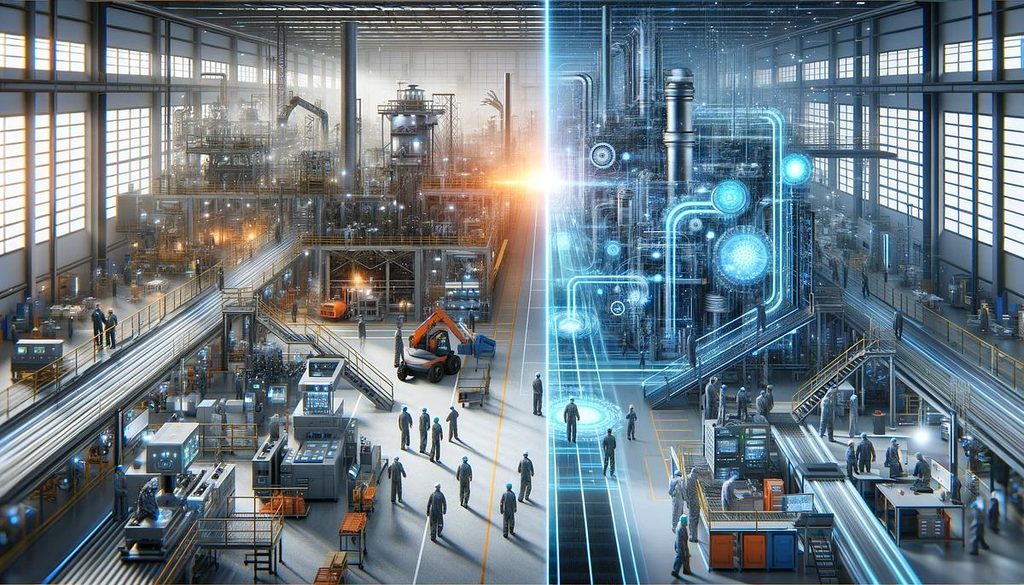
A digital twin is a virtual representation of a physical object, process, or environment. It is designed to reflect important characteristics and behavior of its real-world counterpart.
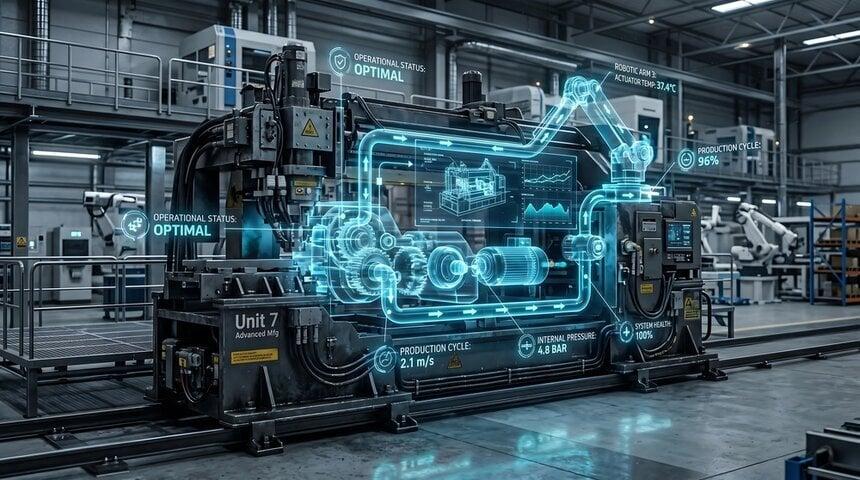
For example, a manufacturing company might create a digital model of one of its production machines. Sensors installed on the actual equipment can send information such as temperature, vibration, speed, and operating status to the virtual model.
The digital version can then help engineers observe conditions, study performance, and explore what could happen under different operating situations.
A digital twin is more than a basic 3D picture. Depending on its design, it can combine live sensor information, historical records, engineering models, and analytical software.
For a broader understanding of the technology behind intelligent digital systems, you can also read our guide to Machine Learning Explained. Digital twin technology is helping organizations create virtual models of real-world systems and understand how they perform in different conditions. One of the major digital twin benefits is the ability to understand a physical system through a connected virtual model.
How Does Digital Twin Technology Work?
A digital twin connects a physical asset with a digital model through data and software. The exact setup depends on the project, but most systems use a few important components.
1. Physical asset: This is the real machine, building, vehicle, production line, or environment being represented.
2. Sensors and connected devices: Sensors collect useful information from the physical asset. This may include temperature, pressure, movement, energy consumption, or other operating conditions.
3. Data connection: The collected information moves to a digital platform where it can be organized and processed.
4. Virtual model: Software creates a digital representation of the physical system. Engineers can use it to view conditions and examine how different parts work together.
5. Analysis and simulation: Analytical tools help teams identify patterns, test possible changes, and understand potential outcomes.
Some advanced systems also send instructions back to connected equipment. However, not every digital twin controls its physical counterpart. Many are designed mainly for monitoring, analysis, and decision support. Microsoft Azure provides tools that help organizations build digital models of connected physical environments through its Azure Digital Twins platform. These digital twin benefits depend on accurate information and a reliable connection between the physical asset and its digital representation.
7 Important Digital Twin Benefits in Real-World Use
The value of this technology becomes clearer when we look at the problems it can help solve. Here are seven practical advantages.
1. Better Predictive Maintenance
Unexpected equipment failure can interrupt production, delay deliveries, and increase repair expenses. Traditional maintenance often follows a fixed schedule or takes place after a problem appears.
A digital twin can give maintenance teams a more detailed view of equipment condition. By examining sensor readings and historical performance, the system may help identify unusual changes that deserve attention.
For example, imagine a factory machine that normally operates within a certain temperature and vibration range. If its readings begin changing, engineers can investigate before the issue becomes a major breakdown.
This does not mean every failure can be predicted accurately. However, better condition monitoring can help companies plan maintenance more intelligently. Among the most useful digital twin benefits is the ability to monitor equipment conditions and plan maintenance more effectively.
2. Reduced Operating Costs
Businesses spend money on energy, repairs, materials, labor, and equipment downtime. Even small inefficiencies can become expensive when they continue over months or years.
A digital model allows teams to examine how a system operates and identify areas where resources may be wasted.
For instance, a factory could study the energy use of different machines and compare possible operating schedules. A building manager might examine heating and cooling patterns to understand why certain areas consume more energy.
These insights can support more informed decisions about resource use. The actual savings depend on the quality of the data, the accuracy of the model, and whether the recommended changes are implemented successfully. These digital twin benefits can help organizations identify unnecessary expenses and use resources more efficiently.
3. Faster Product Design and Development
Creating a physical prototype for every design idea can take considerable time and money. Engineers often need to test different materials, shapes, configurations, and operating conditions before choosing a final design.
Digital twins and engineering simulations can help teams explore some of these possibilities virtually.
Consider an automotive company developing a new vehicle component. Engineers may use digital models to study how different designs respond to pressure, heat, or movement before producing physical prototypes.
This approach can reduce unnecessary testing and help teams identify design problems earlier. Physical testing is still important, especially when safety and regulatory requirements are involved.
4. Improved Product Quality
Product quality depends on many connected factors, including machine settings, material conditions, production speed, and environmental changes.
A digital twin can help manufacturers examine these factors together instead of treating every issue separately.
For example, if a production line begins producing items with inconsistent measurements, engineers can review machine performance and operating conditions. The digital model may help them explore which changes could improve the process.
This can support better quality control and reduce avoidable waste. It is particularly useful when a production process contains several machines that influence one another. For manufacturers, digital twin benefits can include better process visibility and more informed quality control decisions.
5. Safer Testing and Decision-Making
Some systems are expensive, dangerous, or difficult to experiment with in real life. Testing an unproven change directly on operating equipment may create unnecessary risks.
A digital environment gives teams another way to explore possible situations before making physical changes.
For example, engineers working on a complex industrial facility can examine how a proposed operating adjustment might affect connected equipment. City planners can also study possible traffic changes before modifying real roads.
These virtual tests do not replace safety inspections or real-world validation. Instead, they provide additional information that can help decision-makers prepare more carefully. These digital twin benefits allow teams to examine possible changes before applying them to real-world systems.
6. Better Remote Monitoring and Collaboration
Large organizations may operate equipment across different factories, offices, warehouses, or geographic regions. Sending specialists to every location for routine checks can be difficult.
Connected digital models can provide teams with a shared view of selected assets and operating conditions.
For example, a company managing several facilities could allow authorized engineers to review equipment information from a central location. Local staff can then investigate issues using the same operational data.
This can improve communication between departments and make it easier to coordinate maintenance activities. It also helps experts support locations without always needing to travel. Remote access is another example of digital twin benefits for organizations managing equipment across multiple locations.
7. Smarter Planning for Future Changes
Businesses regularly make decisions about expansion, equipment upgrades, production capacity, and infrastructure improvements. These decisions can have long-term financial consequences.
A digital twin can help organizations examine different scenarios before committing resources.
A warehouse operator, for example, might compare alternative layouts to understand how they could affect movement and storage. A city planning team could study how a new development may influence transportation or public services.
The model does not automatically choose the best option. It gives decision-makers a structured way to compare possibilities using available information.
Where Are Digital Twins Used Today?
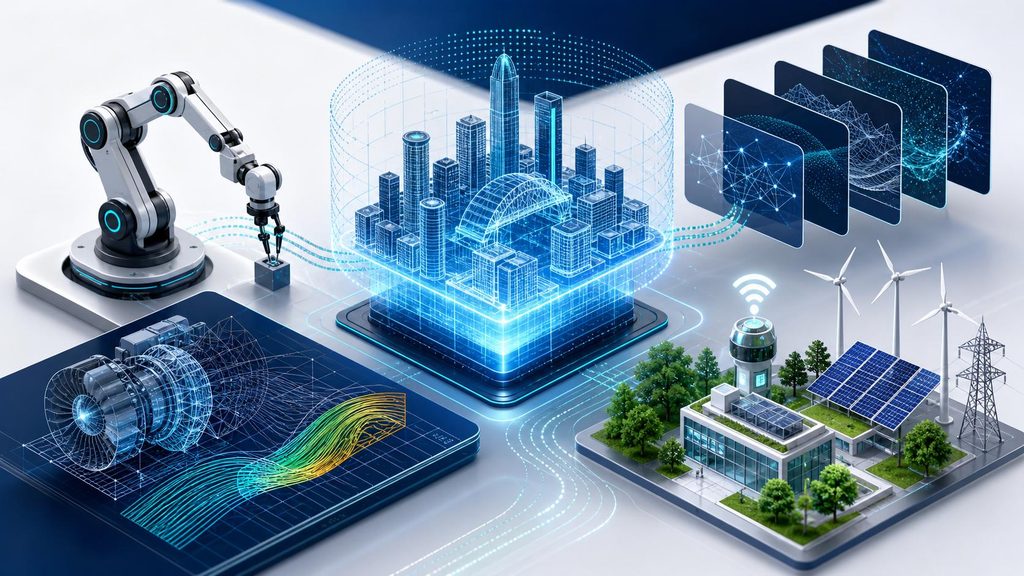
Digital twin applications are not limited to factories. Different industries use virtual models to understand complex systems and improve planning.
Manufacturing
Manufacturers can represent machines, production lines, and entire factory environments. These models can support equipment monitoring, process analysis, production planning, and maintenance decisions.
Healthcare
Researchers and healthcare organizations are exploring digital models of medical devices, biological systems, and healthcare environments. These applications may support research, equipment planning, and the study of possible treatment approaches.
However, a digital model should not be confused with a fully accurate virtual copy of an individual patient. Medical use requires careful validation, privacy protection, and professional oversight.
Smart Cities
Urban planners can use digital representations of buildings, roads, transport networks, and other infrastructure. These models can help teams examine traffic movement, energy requirements, and possible infrastructure changes.
Energy and Utilities
Power companies can model turbines, electrical equipment, and parts of energy networks. The information may help operators monitor performance, plan maintenance, and study changing demand.
Construction and Buildings
Digital models can connect information about a building’s structure and operating systems. Property managers may use them to understand energy use, equipment condition, and maintenance requirements.
Digital Twin vs. Traditional Simulation: What Is the Difference?
These terms are related, but they are not identical.
A traditional simulation usually examines how a system might behave under selected conditions. It can be based on engineering formulas, assumptions, and prepared input data.
A digital twin is generally connected to a specific real-world asset or system. It may receive ongoing information from sensors and update its representation as conditions change.
For example, a simulation could estimate how a machine performs at different speeds. A connected digital twin could also use operating data from an actual machine to help teams understand its current condition.
In practice, digital twin projects often include simulation tools. The difference is the connection between the virtual model and the real-world system.
Challenges Businesses Should Consider
Although the technology offers useful opportunities, implementing it is not always simple.
High initial investment: Sensors, software, data infrastructure, and specialist skills can make a project expensive.
Data quality: Incorrect, incomplete, or outdated information can produce misleading results.
Cybersecurity risks: Connected equipment and data platforms need strong security controls to prevent unauthorized access and disruption.
Integration difficulties: Older machines and business systems may not easily connect with modern digital platforms.
Skills and maintenance: Organizations need people who understand the physical system, data, software, and model validation.
Before investing, businesses should identify a specific problem they want to solve. Starting with one important machine, building, or process can be more manageable than trying to create a digital model of an entire organization at once.
How to Get Started With Digital Twin Technology
Organizations interested in this approach can follow a practical process:
- Choose a clear objective: Decide whether the main goal is maintenance planning, energy monitoring, product development, or another business problem.
- Select the physical asset: Start with a machine, facility, or process where better information could make a meaningful difference.
- Identify required data: Determine which measurements and records are needed to represent the asset accurately.
- Choose suitable technology: Evaluate sensors, connectivity, cloud infrastructure, modeling software, and analytics tools.
- Build and test the model: Compare the virtual representation with actual operating conditions and correct inaccurate assumptions.
- Measure the results: Track whether the project improves the specific outcome it was designed to address.
Cloud platforms can support the storage and processing needs of connected systems. If you want to understand this part of the technology, read our guide to Cloud Computing Explained.
The Future of Digital Twin Technology in 2026 and Beyond
Digital twins are developing alongside artificial intelligence, connected sensors, cloud platforms, and advanced simulation tools.
AI can help analyze large amounts of operational information and identify patterns that may be difficult to notice manually. When combined with a well-designed digital model, these capabilities may support better forecasting and faster decision-making.
Another important direction is the development of connected digital twins. Instead of modeling only one machine or building, organizations may connect several models to understand how an entire environment works together.
For example, a manufacturer could connect information about production equipment, energy use, and inventory to study how a change in one area affects another.
However, progress will depend on reliable data, secure connections, accurate models, and clear standards. Organizations should focus on useful, measurable applications rather than adopting the technology simply because it is new.Organizations should also pay attention to digital twin standards to improve compatibility, reliability, and secure data exchange between different systems.
Frequently Asked Questions
What is the main purpose of a digital twin?
The main purpose is to create a digital representation of a real-world object, process, or system. It helps people monitor conditions, examine performance, test scenarios, and make better-informed decisions.
What are the biggest digital twin benefits?
Important advantages include predictive maintenance, improved operational efficiency, better product development, quality control, safer testing, remote monitoring, and smarter planning.
Do digital twins require artificial intelligence?
No. A digital twin can work without AI. Some systems use sensors, data connections, engineering models, and simulation software. AI can add more advanced analysis and forecasting capabilities.
Are digital twins used only in manufacturing?
No. They are also being explored and used in construction, energy, transportation, healthcare research, and smart city planning.
What is the difference between a digital twin and a 3D model?
A basic 3D model mainly represents the appearance or structure of an object. A digital twin can also include operational data, behavior, analysis, and connections to the real-world asset.
Are digital twins expensive to implement?
Costs vary depending on the size and complexity of the project. A small monitoring project may require fewer resources than a connected model of an entire factory or city.
Final Thoughts
Digital twin technology gives organizations a practical way to study real-world systems through connected virtual models. It can help teams understand equipment performance, investigate possible problems, improve designs, and plan changes with more information.
The Digital Twin Benefits are most valuable when the technology addresses a clearly defined problem. A company does not need to model everything at once. It can begin with one important asset, collect reliable information, and expand when the results justify further investment.
As connected devices, AI, and cloud platforms continue to develop, digital twins are likely to become an increasingly useful part of how organizations design, operate, and manage complex systems.For companies exploring this approach, digital twin benefits become more meaningful when they solve a clearly defined business problem.Overall, digital twin benefits make this technology worth considering for businesses that need better monitoring, planning, and operational insights.