7 Powerful Mobile Technology Trends That Could Change Smartphones in 2026
Smartphones have become much more than communication devices. People now use them for banking, photography, navigation, entertainment, work, education, shopping, and countless everyday tasks.
As manufacturers continue experimenting with new hardware and software, the smartphone experience is changing as well. Artificial intelligence, improved displays, faster connectivity, better cameras, and more efficient processors are influencing what modern phones can do.
Some developments may become mainstream quickly, while others could take several years to reach affordable devices.
Understanding the major mobile technology trends can help consumers decide which improvements actually matter when choosing their next smartphone. Keeping up with mobile technology trends can also help buyers avoid paying for features they may never use.
1. On-Device AI Is Becoming More Important
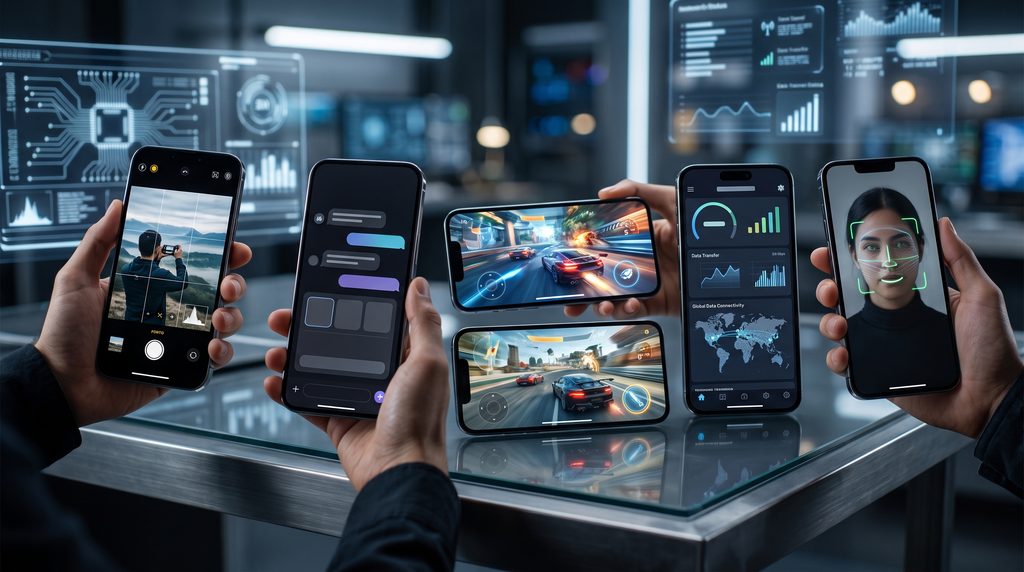
Artificial intelligence is becoming one of the most noticeable changes in modern smartphones.
Instead of depending entirely on remote servers, some AI tasks can increasingly be handled directly by the phone.
This approach is often called on-device AI or edge AI.
A smartphone with suitable hardware may be able to perform certain tasks locally, including image processing, voice features, translation, text assistance, and other intelligent functions.
Local processing can potentially reduce the need to send some information to a cloud service. It may also allow certain features to work with less dependence on an internet connection.
The usefulness of these features will depend heavily on how manufacturers integrate them into everyday applications.
Consumers should therefore look beyond the word “AI” in a product description and consider whether the features actually improve their daily experience. Many smartphone AI features can use machine learning to recognize patterns and improve results over time. This makes on-device intelligence one of the most interesting mobile technology trends to watch.
2. Smartphone Cameras Are Becoming More Computational
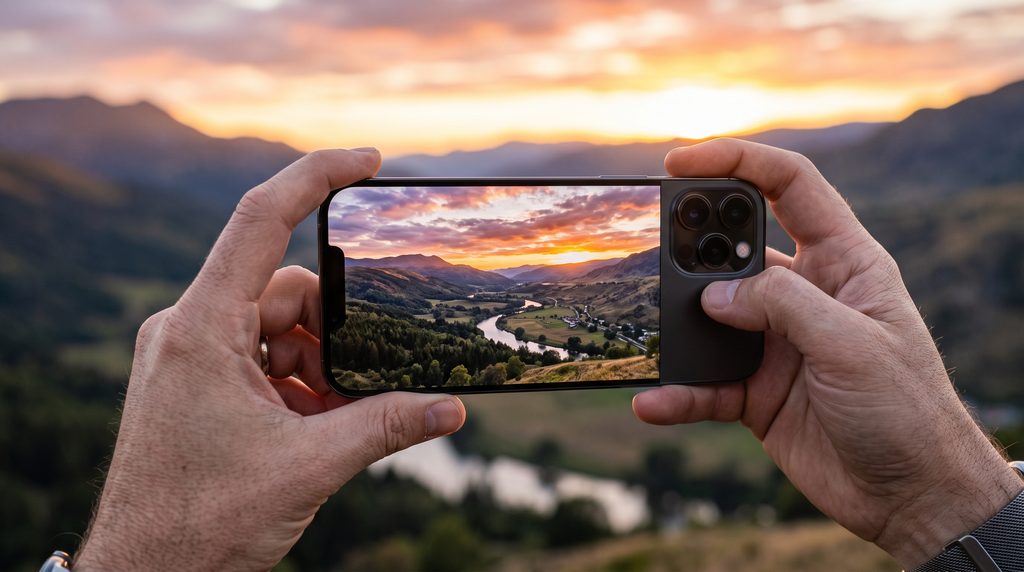
Smartphone photography is no longer determined only by the physical camera sensor.
Modern phones combine hardware with sophisticated computational processing to improve photographs.
Software can help with exposure, color, noise reduction, portrait effects, night photography, and image stabilization.
This development means two phones with similar camera hardware can sometimes produce noticeably different results because their image-processing systems work differently.
AI-assisted photography is also expanding.
Phones can recognize scenes, improve faces, remove unwanted elements, or adjust images automatically.
For casual photographers, these improvements can make it easier to capture good-looking images without manually adjusting complicated settings.
However, camera quality should still be evaluated through real-world results rather than megapixel numbers alone.
3. Foldable Phones Are Becoming More Practical
Foldable smartphones have introduced a different approach to mobile design.
Instead of using a traditional fixed display, foldable devices can provide a larger screen that can be folded into a smaller form.
Different designs allow phones to fold in different directions.
A compact foldable can become easier to carry, while a larger foldable can provide more screen space for multitasking, reading, video, or productivity.
The technology still faces challenges.
Manufacturers need to improve durability, reduce device thickness, manage battery capacity, and make foldable screens more resistant to everyday wear.
Prices can also remain higher than those of conventional smartphones.
Even so, foldable devices demonstrate that smartphone innovation is not limited to faster processors and better cameras.
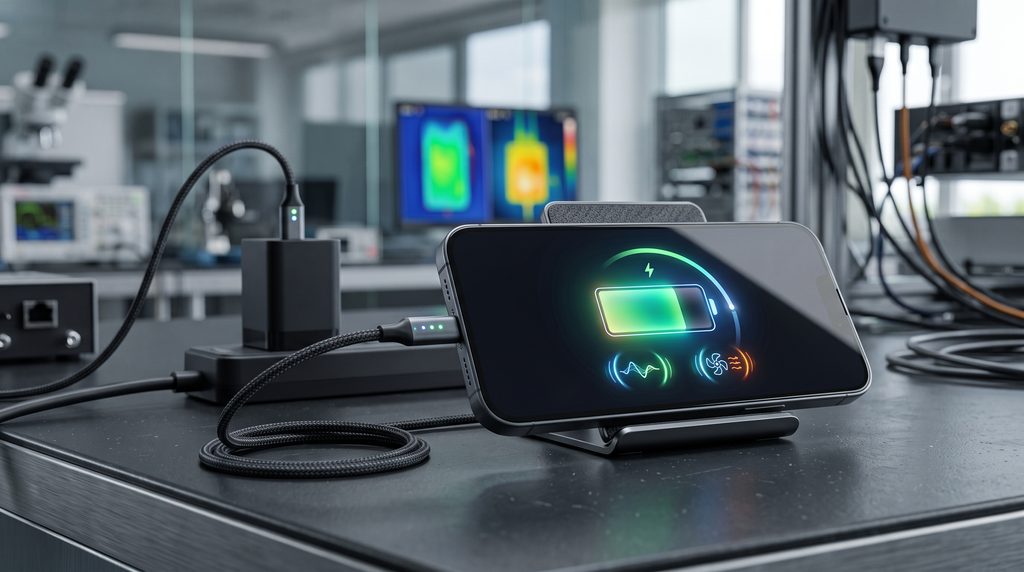
4. Battery Technology and Charging Are Getting More Attention
Battery life has always been an important part of the smartphone experience.
A powerful phone is less useful if its battery cannot last through a normal day.
Manufacturers are therefore exploring ways to improve battery capacity, charging speeds, thermal management, and overall energy efficiency.
Processor improvements can also contribute to better battery performance by allowing phones to complete tasks while using less power.
Fast charging has become another major selling point.
However, charging speed should not be the only factor consumers consider.
Battery health, heat management, charging habits, and long-term battery performance can have a significant effect on the ownership experience.
Future improvements in battery materials and energy density could eventually allow smartphones to provide longer usage without becoming significantly larger.
5. Faster Connectivity Will Support More Mobile Experiences
Mobile networks continue to evolve as users consume more video, cloud services, games, and connected applications.
Faster and more reliable connectivity can reduce waiting times and support services that require quick communication between devices and remote servers.
This can be useful for cloud gaming, high-quality video calls, streaming, connected devices, and other data-intensive applications.
The development of newer network technologies may also support applications that have not yet become common.
However, network performance depends on more than the smartphone itself.
Coverage, local infrastructure, network congestion, carrier support, and location can all influence real-world speeds.
For this reason, consumers should consider the quality of their local network before paying a premium for connectivity features they may rarely use. Connectivity improvements are therefore another important part of the mobile technology trends shaping modern smartphones.
6. Smartphone Displays Are Becoming More Flexible and Efficient
Displays are another area where manufacturers continue to compete.
High refresh rates can make scrolling and animations feel smoother, while improved brightness can make screens easier to view outdoors.
OLED and related display technologies can provide strong contrast and deep blacks while supporting thinner device designs.
Some manufacturers are also experimenting with flexible displays and new form factors.
At the same time, energy efficiency is becoming increasingly important.
A brighter or faster display can consume more power, so manufacturers have to balance visual quality with battery performance.
For consumers, screen size and specifications are only part of the equation.
Comfort, outdoor visibility, refresh rate, color accuracy, durability, and battery impact can all influence the overall experience.
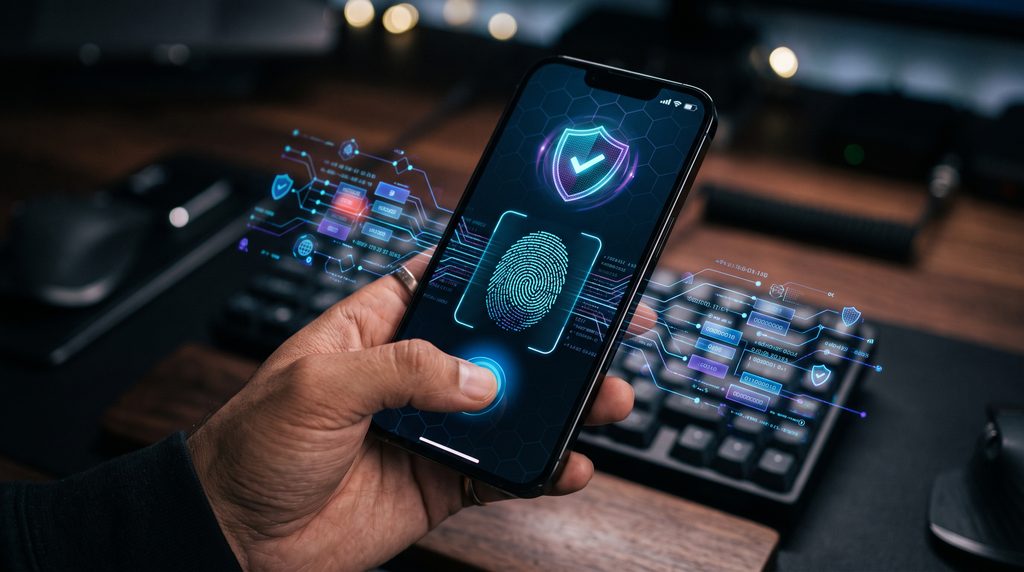
7. Mobile Security Is Becoming More Sophisticated
As smartphones store more personal information, security is becoming increasingly important.
Phones can contain photographs, financial applications, private messages, documents, contacts, and authentication credentials.
Modern devices therefore use several layers of protection.
Biometric authentication, secure hardware, encrypted storage, application permissions, and regular security updates can help protect personal information.
AI may also contribute to security by helping systems identify unusual behavior or potential threats.
However, technology alone cannot eliminate every risk.
Users should still install applications from trusted sources, keep software updated, avoid suspicious links, and use strong authentication methods.
Security is becoming one of the most important mobile technology trends because smartphones are increasingly functioning as personal digital identities.
How to Choose a Smartphone in 2026
Understanding mobile technology trends does not mean buying every phone with the newest specifications.
A better strategy is to identify the features that actually matter for your daily routine.
Someone who takes many photographs may prioritize camera quality.
A mobile gamer may care more about processing performance, cooling, display refresh rate, and battery capacity.
Someone who mainly uses messaging, browsing, and social media may not need an expensive flagship device.
Software support is another important consideration. Understanding current mobile technology trends can help consumers compare these features more effectively.
A smartphone that receives security updates for several years can potentially provide better long-term value than a cheaper model with limited support.
Buyers should also consider repair options, warranty coverage, battery replacement, storage capacity, and compatibility with their existing accessories.
What Could Come Next for Smartphones?
The next generation of smartphones may become increasingly intelligent and connected.
AI could become more deeply integrated into operating systems rather than appearing only as separate applications.
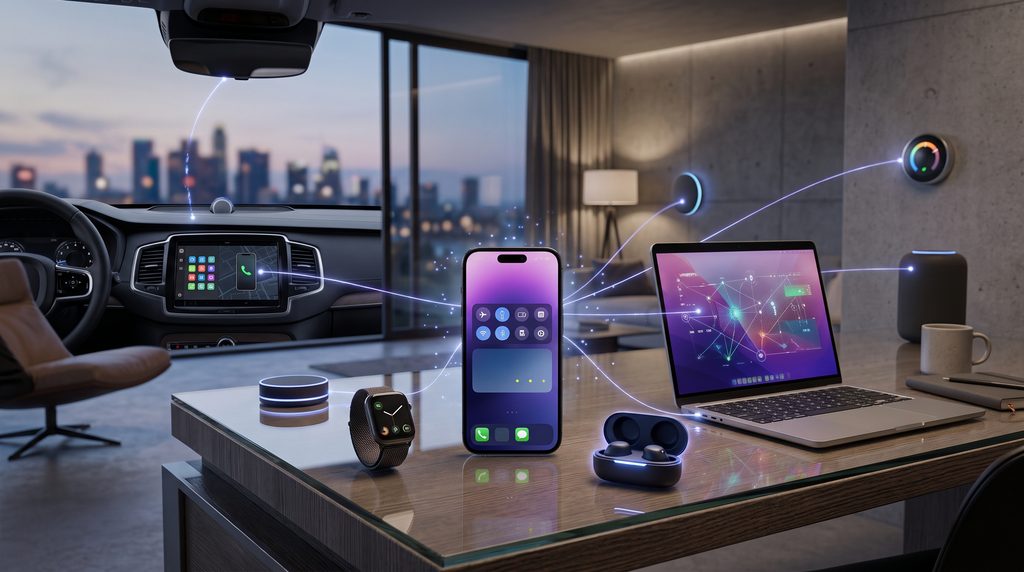
Phones may also communicate more naturally with laptops, watches, earbuds, cars, and smart home equipment.
Foldable designs could become more durable and affordable, while improvements in battery technology may increase usable time between charges.
At the same time, privacy will remain an important consideration.
As phones become capable of understanding more information about users and their surroundings, manufacturers will need to provide clear controls over how personal data is processed.
Final Thoughts
The smartphone industry continues to evolve through a combination of hardware improvements, software innovation, and new ways of connecting devices.
On-device AI could make phones more intelligent, computational photography can improve everyday images, foldable designs are creating new form factors, and battery and charging improvements may make mobile devices more convenient.
Meanwhile, better connectivity, advanced displays, and stronger security are helping smartphones become more capable digital tools.
The most important thing for consumers is not to chase every specification.
Instead, understanding the latest mobile technology trends can help buyers identify meaningful improvements and choose devices that offer useful features, reliable performance, and good long-term value.